Service — Image Masking
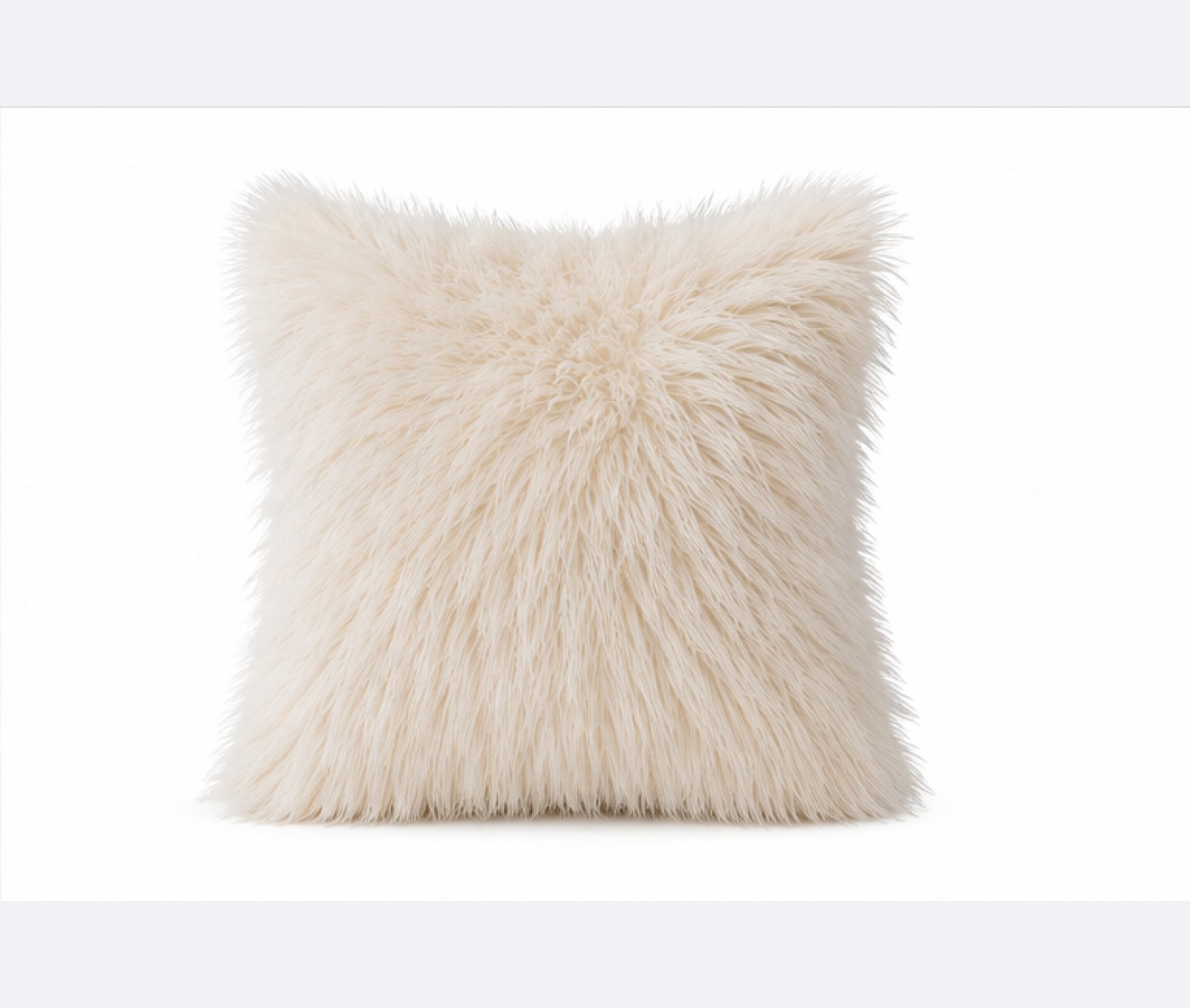
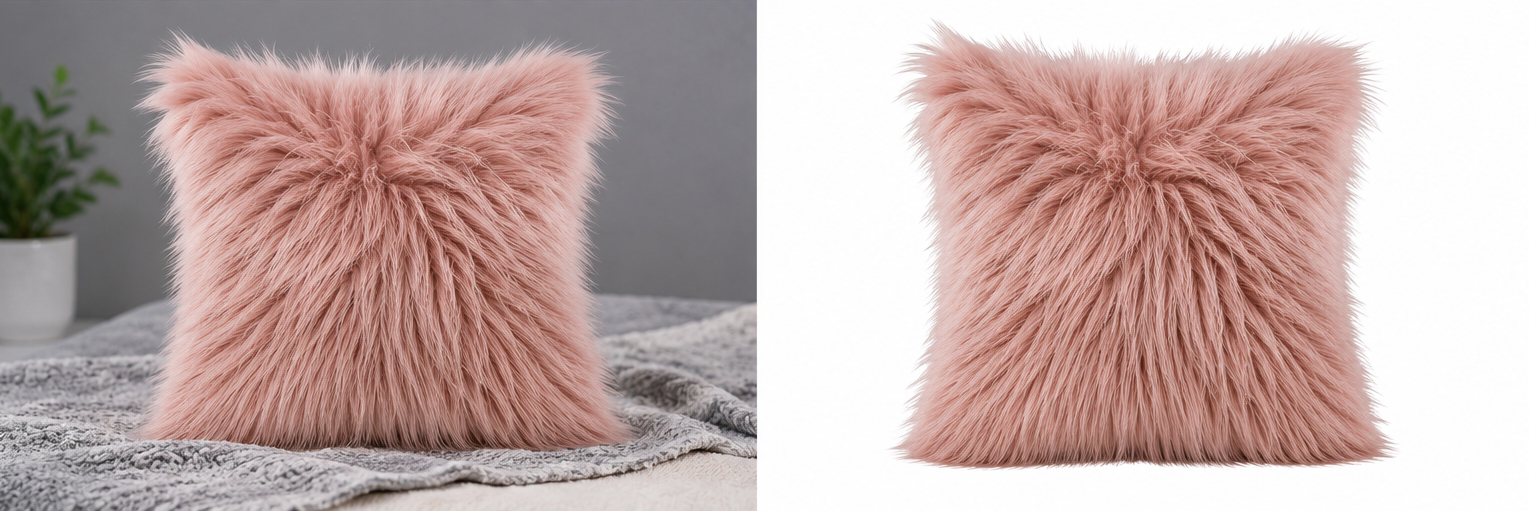
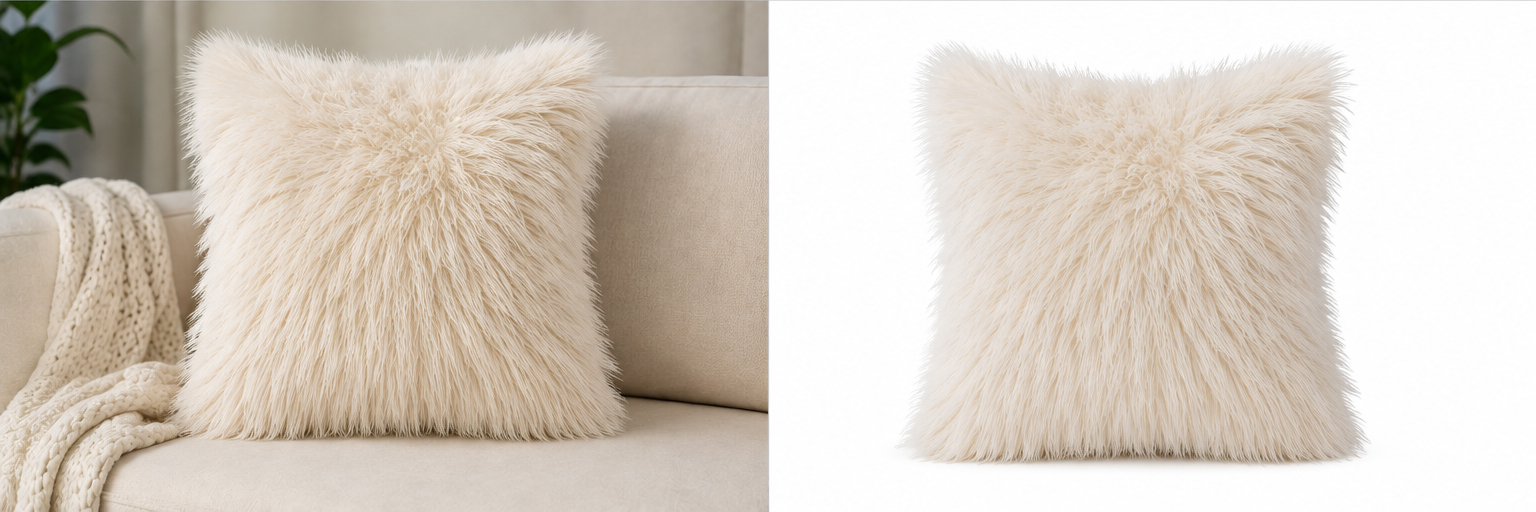
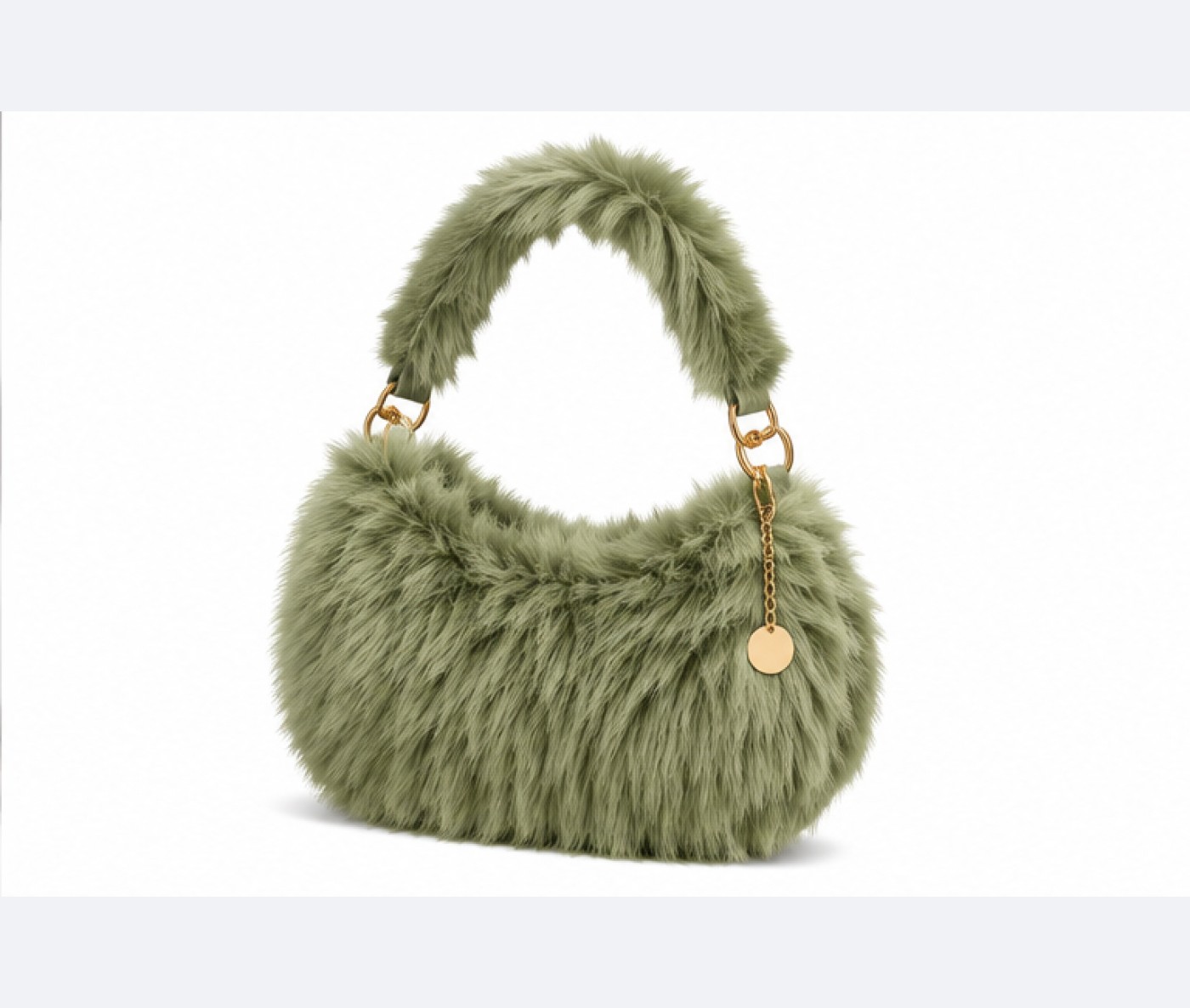
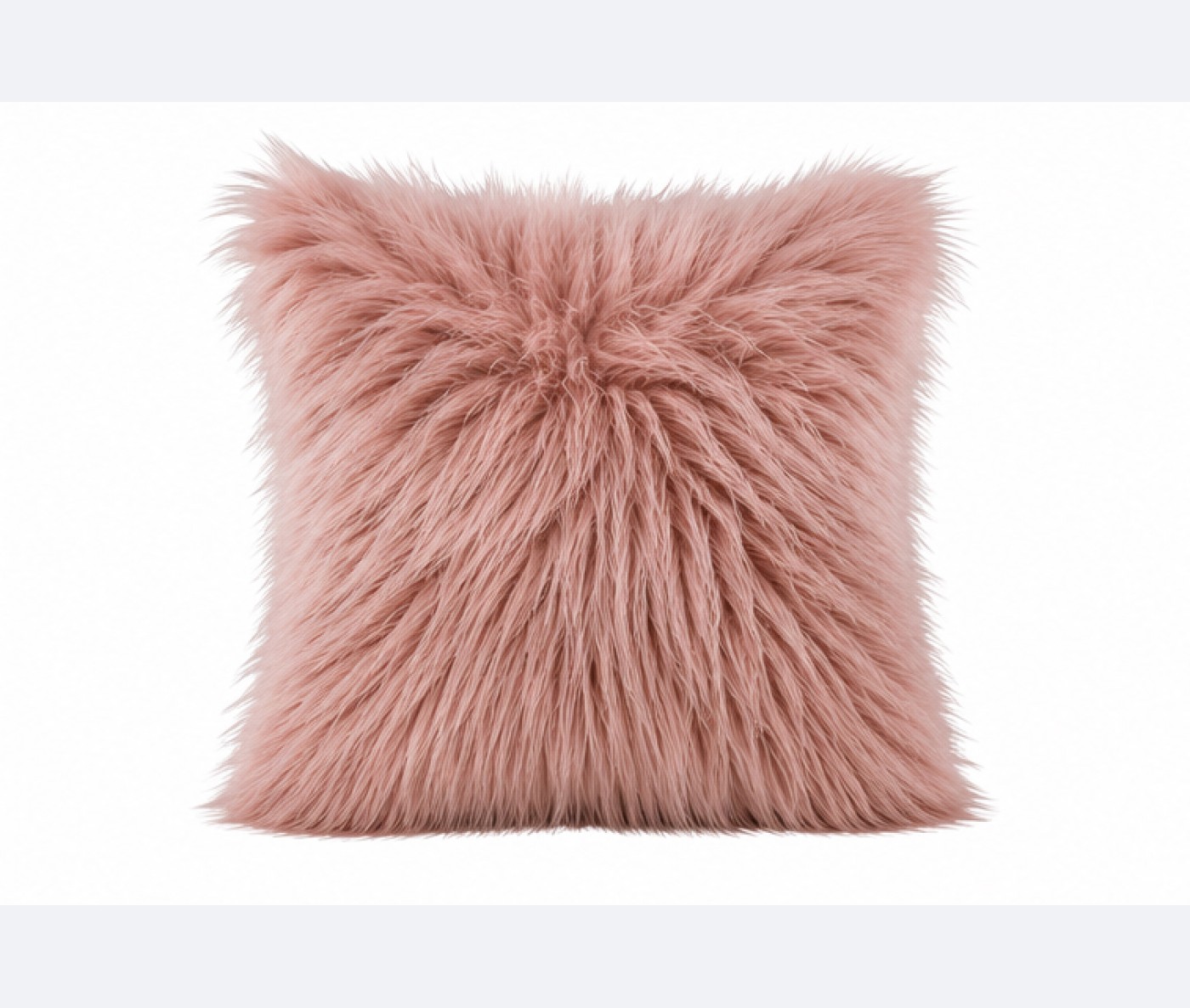
Hair, fur, mesh fabric, smoke and glass edges cannot be handled by a clipping path. Our manual image masking service preserves every strand and translucent detail — giving you a flawless cutout on even the most complex subjects.
What it is
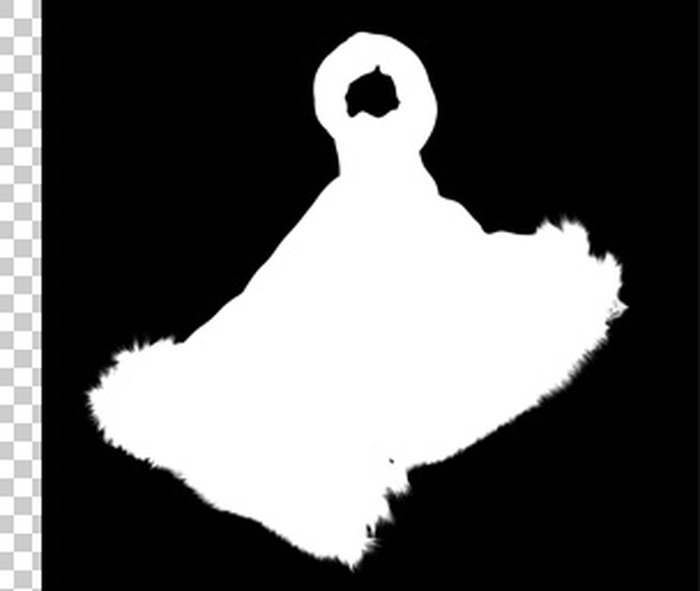
Image masking uses pixel-level transparency instead of a hard vector outline. An editor applies an alpha channel or layer mask that can fade opacity strand by strand, preserving semi-transparent edges that a clipping path would cut off or destroy.
Techniques include channel masking, layer masking, and refine-edge masking — each suited to different edge types. We choose the right approach for every image.
Why PixelTrim
Every hair strand is preserved — no harsh edges or missing wisps.
Glass, smoke, veils and mesh fabric handled correctly.
Place the masked subject on any new background seamlessly.
Channel masking, refine edge, luminosity masks — we pick the right method.
Who it's for
Masking is essential any time the subject has a soft, complex or translucent boundary.
Pricing
Priced by edge complexity — hair and multi-layer subjects at the higher end.
FAQ
If the edge is hard and clean — clipping path. If it's soft, fluffy or semi-transparent — masking. When in doubt, describe the subject and we'll recommend the right service.
Yes. Refine-edge masking decontaminates colour fringing so hair looks natural on a new background rather than carrying the original colour.
Yes, though complex backgrounds increase editing time and cost slightly. A plain or contrasting background always gives cleaner results.
PNG with transparency as standard. Layered PSD, TIFF or other formats available on request.
Upload 2 images for a free trial edit — returned in under 24 hours with no obligation to pay.
Start free trial →You might also need